
HVAC System
HVAC System
What is HVAC
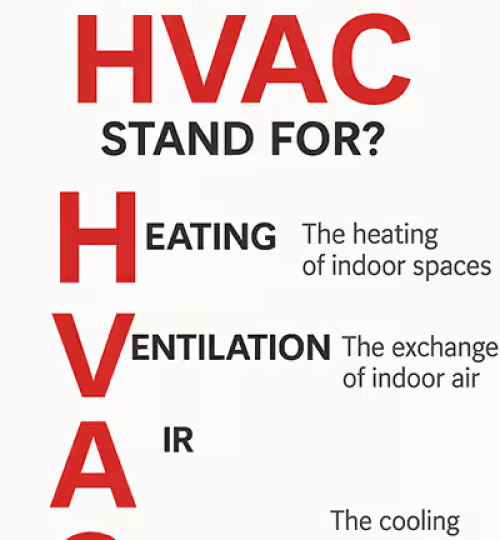
An HVAC system is a mechanical setup used to regulate indoor temperature, humidity, and air quality. The acronym stands for Heating, Ventilation, and Air Conditioning. These systems make buildings comfortable and safe by circulating fresh air and filtering out dust and allergens.
HVAC is one of the most important technologies used in modern buildings, ensuring comfortable indoor environments throughout the year. Whether it’s keeping a home warm during winter, cool during summer, or maintaining proper airflow and humidity levels, HVAC systems play a critical role in everyday life. From residential houses to hospitals, schools, and large office complexes, these systems help create healthy and energy-efficient indoor spaces.
Understanding the meaning of HVAC is valuable for homeowners, property managers, and anyone interested in building maintenance or energy efficiency. HVAC systems typically combine heating units, ventilation components, and air conditioning equipment into a single integrated solution. As energy-saving technologies continue to evolve, modern HVAC systems are becoming smarter, more efficient, and environmentally friendly. Knowing what HVAC means can help you make informed decisions about installation, maintenance, repairs, and energy consumption while improving indoor comfort and air quality.
Why Understanding HVAC Matters
HVAC is much more than just heating and cooling Modern System Help:
- Maintain comfortable indoor temperatures
- Improve air circulation
- Filter dust , dust, allergens, and pollutants
- Control humidity levels
- Reduce energy consumption
- Enhance workplace and home comfort
As energy costs rise and environmental concerns grow, understanding HVAC systems has become increasingly important for homeowners, renters, business owners, and property managers
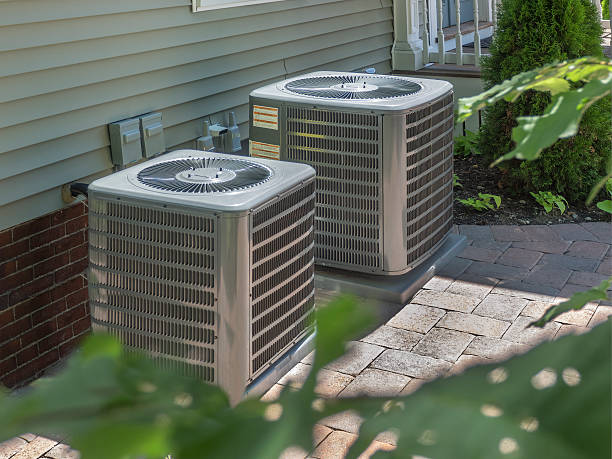
Origin of the Term HVAC
The acronym HVAC emerged during the twentieth century as building technology advanced.
Before modern HVAC systems existed, buildings relied on:
- Fireplaces for heating
- Open windows for ventilation
- Fans for air movement
- Natural airflow for cooling
As mechanical heating and cooling technologies improved, engineers began combining these functions into integrated systems. The term HVAC became the industry standard for describing the complete environmental control system inside a building.
Today, HVAC is recognized worldwide in construction, engineering, architecture, property management, and home improvement industries.
Type of Component
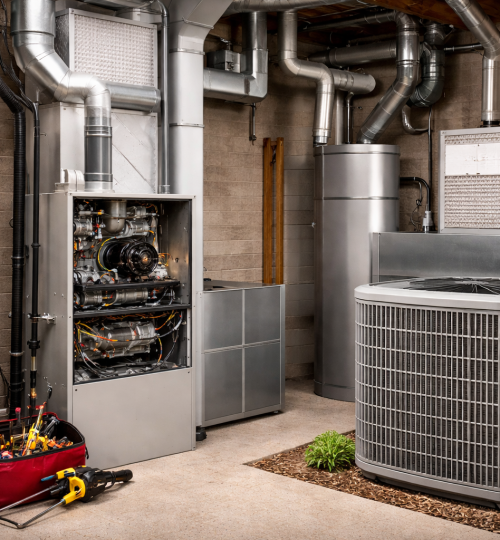
- Heating: Warms the indoor space during colder months. This is typically done using a furnace (burning gas or oil) or an electric heat pump.
- Ventilation: Replaces stale, indoor air with fresh, filtered outdoor air. This process helps control moisture, reduce odors, and filter out harmful particles or pollutants.
- Air Conditioning: Removes heat and excess humidity from the indoor air to keep the space cool during warmer months.
Breaking Down HVAC: What Each Letter Means
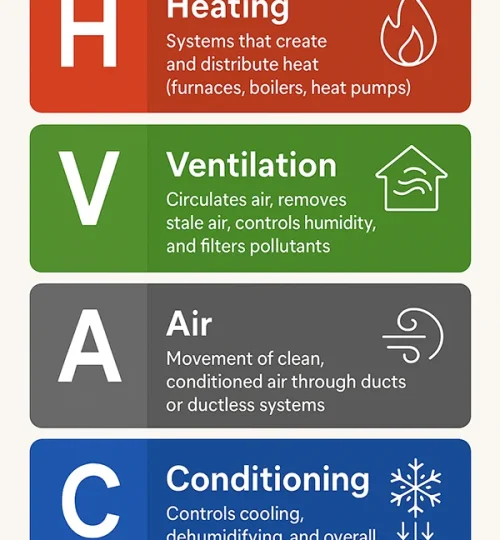
H = Heating
Heating systems keep indoor spaces warm during colder months.
Common heating equipment includes:
- Furnaces
- Boilers
- Heat pumps
- Radiant heating systems
- Electric heaters
The heating component ensures comfortable indoor temperatures while protecting buildings from freezing conditions.
V = Ventilation
Ventilation refers to the movement and exchange of air.
Its primary goals are:
- Bringing fresh outdoor air indoors
- Removing stale air
- Reducing indoor pollutants
- Managing moisture levels
- Improving overall air quality
Proper ventilation is essential for maintaining a healthy indoor environment.
AC = Air Conditioning
Air conditioning cools indoor spaces and helps remove excess humidity.
Air conditioning systems:
- Lower indoor temperatures
- Reduce humidity
- Improve comfort during hot weather
- Help protect electronics and equipment
Modern AC systems often include advanced filtration and energy-saving
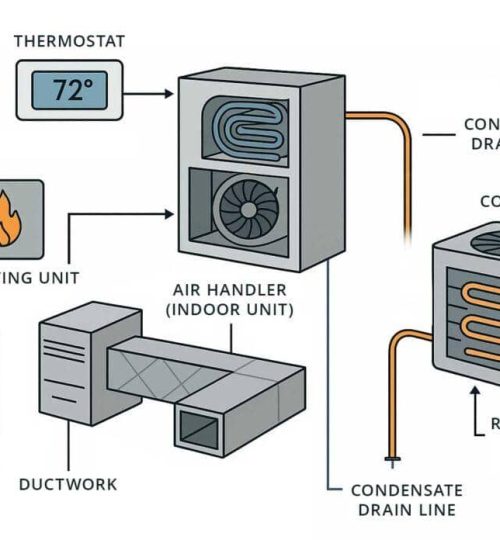
System works
Types of HVAC System
Depending on the size and design of the building, the setup will differ.
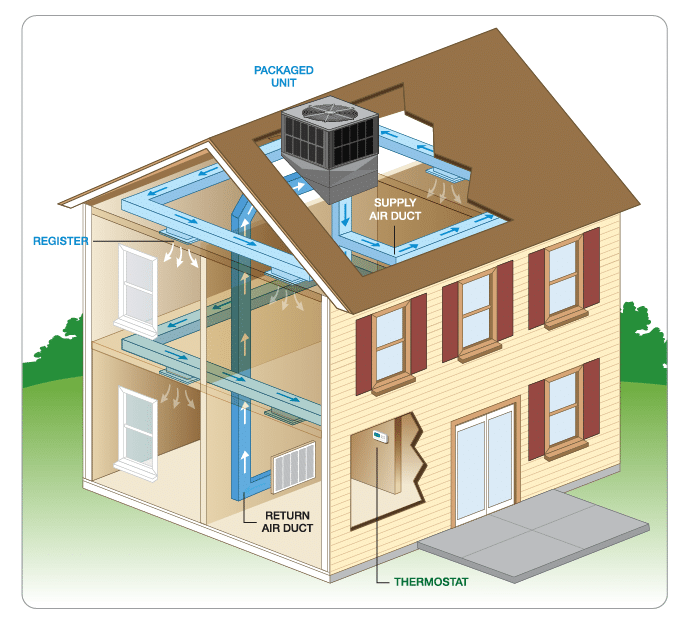
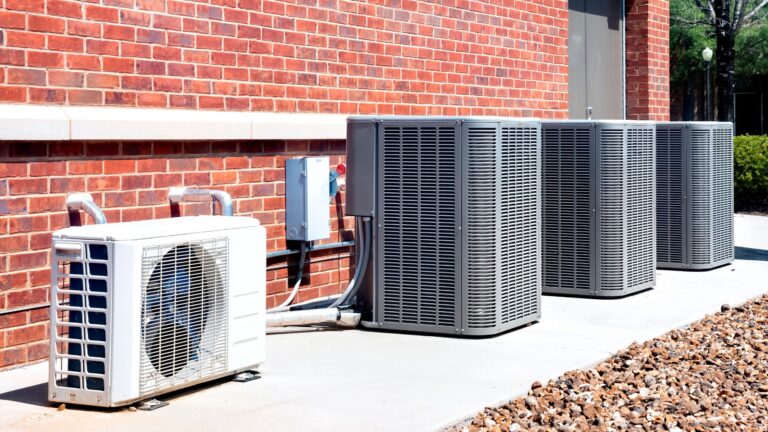
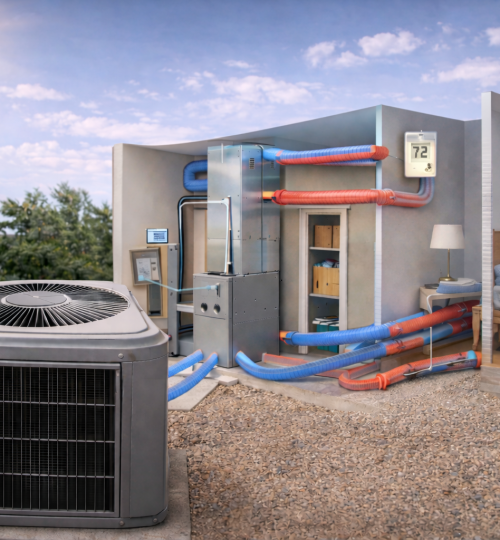
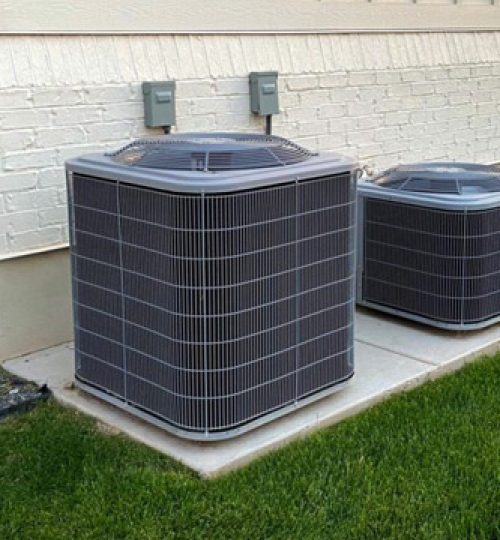
- Central Air/Split System: The most common in homes. It separates the components into an outdoor unit(compressor/condenser) and an indoor unit(furnace, evaporator coil) connected by ductwork
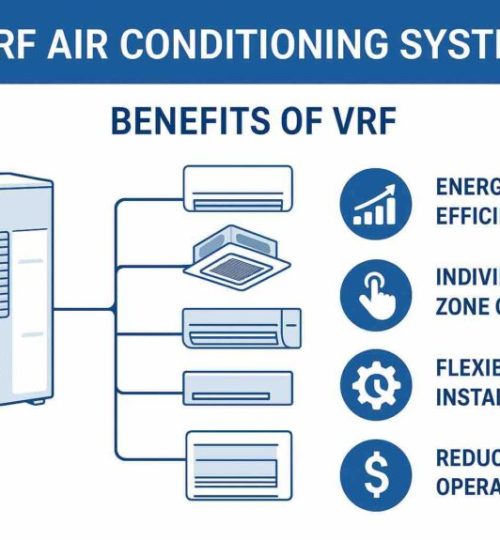
- Duct-Free /Mini-Split: Uses Individual, wall-mounted units for specific rooms rather than a central network of ducts.
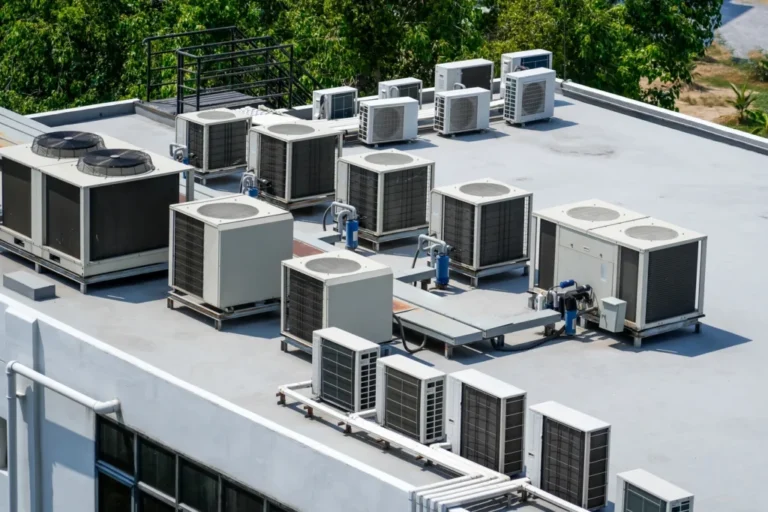
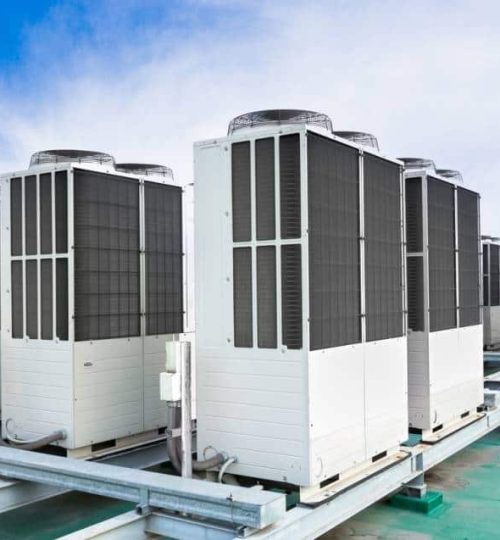
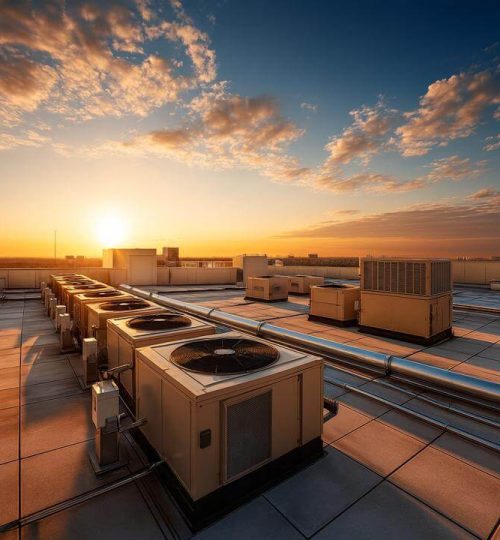
- Packaged System: Houses all major heating and cooling components in a single cabinet, usually placed on a roof or a concrete slab outside.
- Geothermal Systems: Highly energy-efficient units that use the stable, moderate temperature of the earth to heat and cool a building
Common HVAC Components
HVAC Component Overview Table
| Component | Purpose |
|---|---|
| Furnace | Produces heat |
| Air Conditioner | Cools indoor air |
| Heat Pump | Provides heating and cooling |
| Thermostat | Controls temperature settings |
| Ductwork | Distributes air throughout the building |
| Air Filter | Removes dust and contaminants |
| Ventilation System | Maintains fresh airflow |
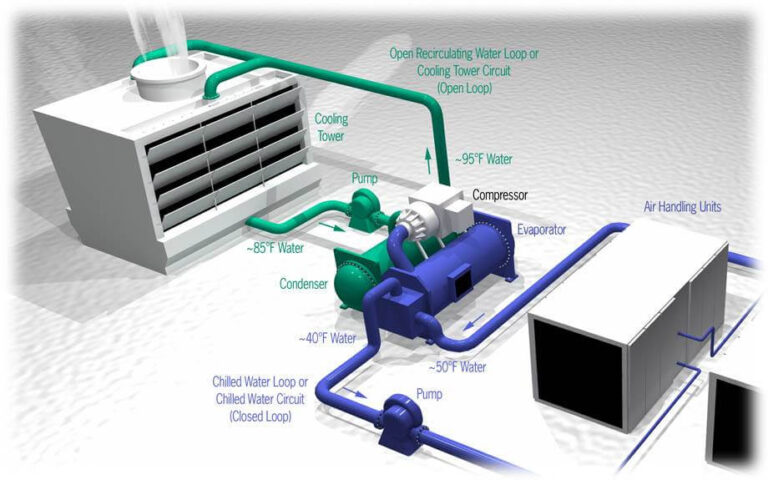
| Evaporator Coil | Absorbs heat from indoor air |
| Condenser Unit | Releases heat outdoors |
| Blower Fan | Moves air through the system |
Each component works together to maintain comfort and efficiency.
Where HVAC Systems Are Used
HVAC systems are found in nearly every type of building.
Residential Buildings
Home HVAC systems provide:
- Heating
- Cooling
- Ventilation
- Humidity control
Commercial Buildings
Businesses rely on HVAC for:
- Employee comfort
- Customer satisfaction
- Equipment protection
- Energy management
Industrial Facilities
Factories use specialized HVAC systems to:
- Control temperatures
- Manage air quality
- Protect machinery
- Meet safety regulations
Healthcare Facilities
Hospitals depend on advanced HVAC systems for:
- Infection control
- Air filtration
- Sterile environments
- Patient comfort